Español
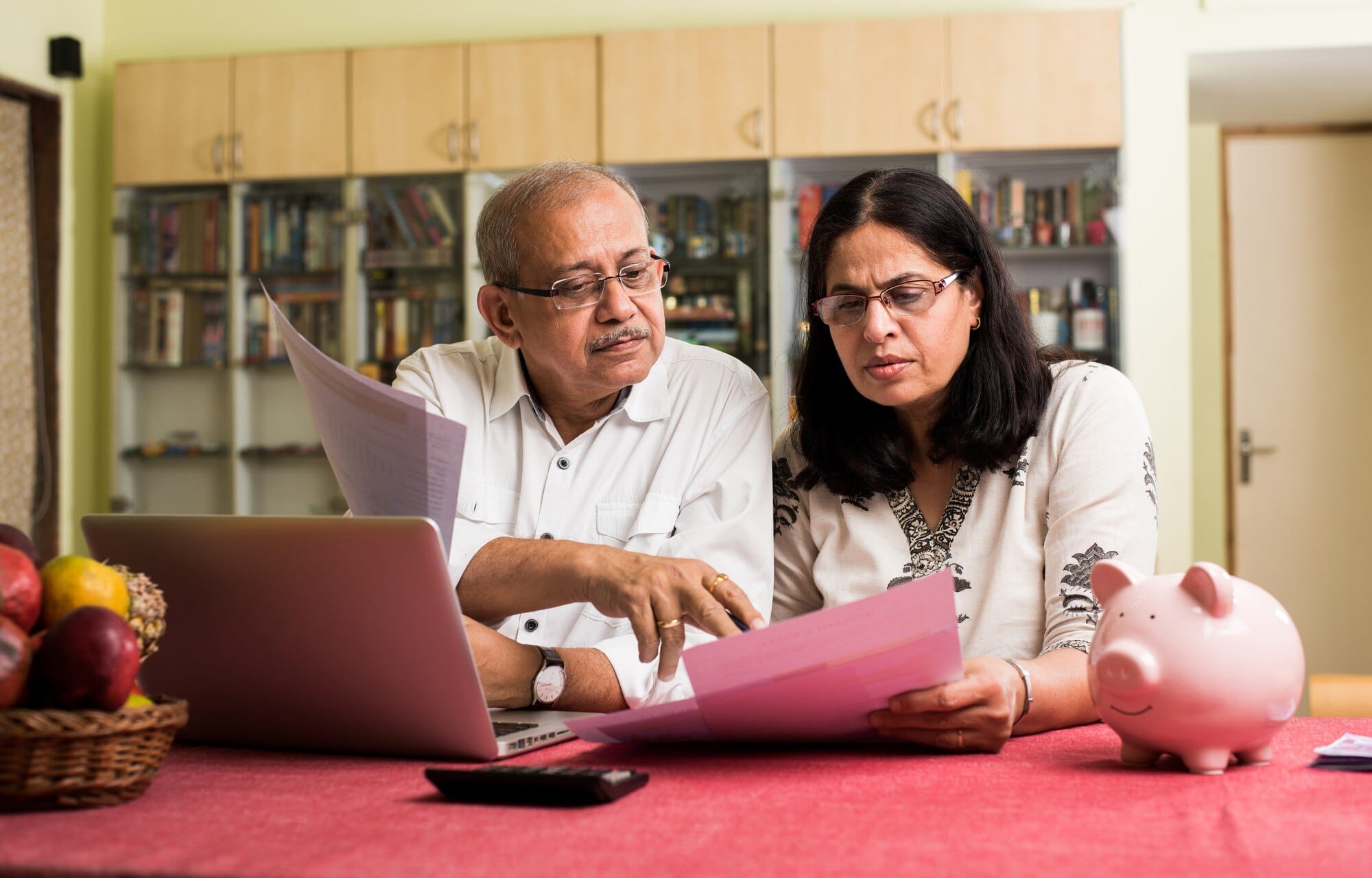
There’s something very difficult about knowing you’re in debt and, at the same time, feeling that no matter how hard you work, the money just isn’t enough. Many Hispanic families in the United States are stuck in exactly that situation: with a salary that barely covers the basics, and with credit card balances, loans, or medical bills that keep piling up month after month. If that describes your situation, I want you to know something important before you keep reading: you’re not alone, and there is a solution.
Getting out of debt on a low salary isn't easy—I'm not going to lie to you—but it is possible. I've seen hundreds of families, many with very limited incomes, find their way to financial freedom when they stopped looking for magic solutions and started using real, honest strategies. What I’m going to share with you in this article is exactly that: concrete steps—no empty promises—so you can start making progress even if your paycheck is very tight.
The first thing you need to understand is that the problem isn't always how much you earn, but how your spending is organized. With the right strategy, even a very tight budget can leave room to start tackling your debts. Let's take it one step at a time.
Why It's So Hard to Get Out of Debt on a Low Income
When someone earns more money, they have more leeway to make mistakes and still move forward. But when your salary is low, every dollar counts twice as much. Credit card interest can eat up a huge portion of your monthly payments, leaving you feeling like you’re never actually paying down the principal.
The other major obstacle is psychological. When you see that the numbers don't add up, it's very easy to freeze up. Many people prefer not to open their bank statements because it hurts to see how much they owe. That fear is completely understandable, but it’s also the first habit you need to break. The first step always begins with facing reality head-on.
The good news is that when your income is low, you sometimes have access to options that people with higher incomes can't use, including certain debt relief programs and direct negotiations with creditors. It's worth exploring these options before giving up.
First: Know Exactly How Much You Owe and to Whom
It sounds simple, but most people living with financial stress don't have a clear list of all their debts. They just know they «owe a lot.» To get out of debt on a low income, you have to be precise.
Grab a pen and paper—or a simple spreadsheet—and write down every debt you have: the creditor’s name, the current balance, the interest rate, and the minimum monthly payment. Include credit cards, personal loans, medical bills, money you owe to family members—absolutely everything.
This exercise may feel uncomfortable at first, but it can also be liberating. When you can see the problem clearly, it stops being some vague monster and becomes something you can tackle with a concrete plan. The simple act of writing it down changes your perspective.
How to Create a Payment Plan When Money Is Tight
With a low salary, you can't pay off all your debts at once with large sums. What you can do is prioritize. There are two well-proven strategies that work very well in these circumstances.
The first one is called avalanche method: You pay the minimum on all your debts, but put any extra money toward the debt with the highest interest rate. This strategy saves you the most money in the long run because it reduces the interest you pay each month.
The second one is called snowball method: You pay the minimum on all your debts, but you focus any extra money on the smallest debt. Once you've paid it off completely, you use that money to tackle the next one. This method is very motivating because you see concrete results faster, and that motivation keeps you going when the road ahead is long.
If your budget is so tight that you don't have anything left over for «extras,» don't despair. Before choosing a strategy, focus on identifying where you can free up even small amounts: the streaming subscription you hardly ever use, the cell phone plan you can renegotiate, or impulsive online purchases. Every dollar you free up can go directly toward paying down your debt.
Negotiate Directly with Your Creditors
Something many people don't know is that creditors, in many cases, would rather reach an agreement with you than refer your account to a collection agency. If you're behind on a payment or feel you'll be soon, consider calling the bank or your credit card company directly and explaining your situation honestly.
You can request several things: a temporary reduction in the interest rate, a waiver of late fees, a more affordable payment plan, or even a financial hardship program that many banks offer but don’t openly advertise. These options exist, but no one will offer them to you unless you ask.
You don't have to be pushy or know a lot about finances to make that call. Just be honest: explain that you want to pay but need more manageable terms, and ask what options they have available for people facing financial difficulties. Sometimes the answer will surprise you.
Free Resources That Can Help You
The federal government and several nonprofit organizations offer completely free resources for people with debt problems. The Consumer Financial Protection Bureau (CFPB) It offers detailed guides in Spanish on your rights when dealing with debt collectors, how to dispute incorrect debts, and how to handle financial difficulties responsibly.
These resources won't solve your problem on their own, but they provide valuable information to help you make better decisions. And in these circumstances, knowledge is worth real money.
If your debts have become too much for you to handle on your own, consider talking to a specialist as well. In this article on consolidation strategies We explain in detail how this process works and in which situations it makes the most sense to use it.
When Does It Make Sense to Seek Professional Help to Get Out of Debt?
There comes a point when the situation becomes more than you can handle on your own. If you’ve been paying only the minimum on your credit cards for several months and the balance isn’t going down, if your total debt exceeds what you could pay off in two or three years with discipline, or if you’re already receiving frequent collection calls, it’s time to seek professional guidance.
A debt relief program can help you negotiate with creditors to reduce the total amount you owe—not just the interest rate. In many cases, families who participate in these programs are able to get out of debt much faster than they expected, paying significantly less than they originally owed.
The key is to choose a reputable company with real experience that explains everything to you in Spanish, with no fine print or hidden costs. At US National Credit Solutions, we’ve been helping Hispanic families in exactly this situation for more than two decades.
If you want to find out if you qualify for a debt relief program, call us today at 888-857-8485 or visit us at usnationalcs.com. The consultation is completely free, with no pressure, and in your language.
Build a Small Emergency Fund, Even If It's Minimal
This may sound counterintuitive when you're in debt, but having even a small emergency fund completely changes your relationship with money. If you have to charge every unexpected expense—a flat tire, a doctor’s visit, an urgent home repair—to your credit card, you’ll never be able to truly reduce your debt because you’re always adding more to it.
The initial goal isn't to save a lot—it's to save something. With just $500 or $1,000 in a separate account, you have a shield that protects your progress. Start with $10 or $20 a week if that’s what you can manage. Over time, that habit will become one of the most important pillars of your financial stability and allow you to make progress on your debts without being set back by every unexpected expense.
The First Step to Getting Out of Debt on a Low Income Is Today
Getting out of debt on a low income is a process that requires patience and perseverance. There are no magic shortcuts or solutions that work overnight. But every small step you take today—making a list of your debts, calling a creditor, opening a savings account, seeking professional guidance—brings you closer to a life free of that burden.
Your current situation isn't permanent. We've helped thousands of Hispanic families who were in exactly the same situation you're in today—with debts that seemed impossible to manage and a salary that wasn't enough to make ends meet. With the right plan and the right support, they were able to turn things around. Your family can do it, too.
If you want to take that first step with someone who understands your situation, speaks your language, and can guide you without judging you, we're here for you. Call 888-857-8485 or visit usnationalcs.com. The first consultation is completely free, and it could be the first real step toward your financial freedom.