Español

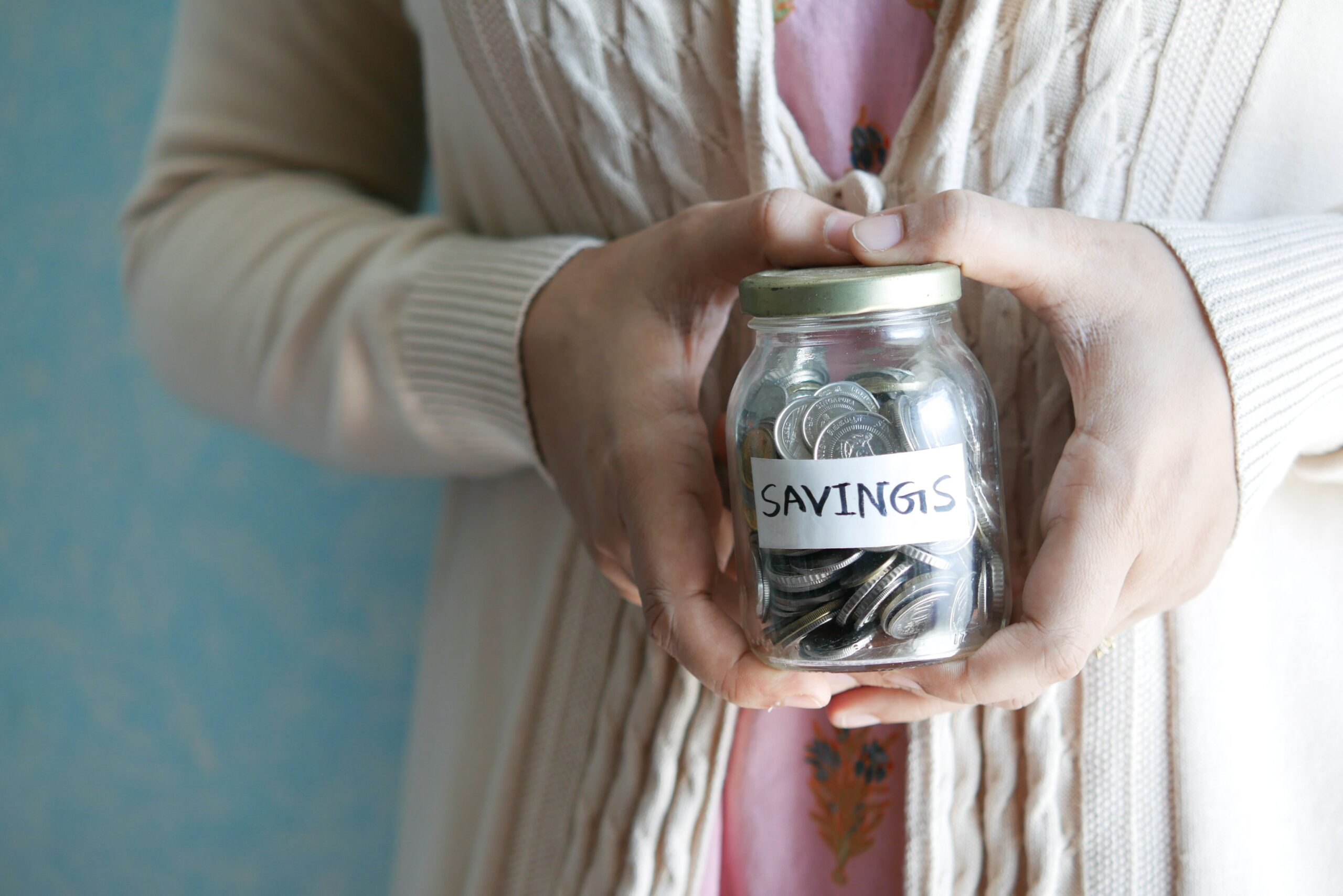
For many Hispanic families, the idea of saving money while in debt may seem like a direct contradiction. How am I supposed to put money into a savings account when I barely have enough to cover the minimum payments on my credit cards? If that thought sounds familiar to you, I want you to know that you’re not alone in this. Millions of people in the United States are caught in that same dilemma, and the exhaustion you feel at the end of every pay period—looking at the numbers without knowing what to prioritize—is completely valid.
But there’s something that perhaps no one has told you outright: waiting to pay off all your debts before you start saving can leave you in an even more vulnerable position. Because if your car breaks down tomorrow, you have an unexpected medical emergency, or you lose your job—even if only for a few weeks—and you don’t have any financial cushion available, you’ll have to resort to your credit card again. And that will restart the cycle of debt just when you were closest to getting out of it.
Learn How to Save Money When You Have Debt It's not magic, and it doesn't require you to earn more than you do today. It requires a shift in perspective and specific strategies that you can start implementing this very week, using the resources you already have. That's exactly what we're going to explore here.
Why Saving and Paying Off Debt Aren't Enemies
There’s a very common misconception about personal finance that many of us learned from a young age: first, you pay off all your debts, and then you save. That logic makes a certain amount of mathematical sense. If your debts carry an interest rate of 22% and your savings account yields 4%, doesn’t it make sense to pay off your debts first? In strictly numerical terms, yes. But personal finance isn’t just about math—it’s about human behavior.
The problem with not saving anything while you’re paying off debt is that any emergency—no matter how small—sends you right back to square one. A flat tire, a doctor’s visit, a broken appliance… without an emergency fund, those unexpected expenses turn into more debt. That’s why most personal finance experts, including the Consumer Financial Protection Bureau (CFPB), recommend building a small emergency fund even while you're paying off debts.
It's not about choosing between saving and spending. It's about doing both at the same time, in proportions that work for your specific situation.
The First Goal: A Small but Real Emergency Fund
Before you even think about saving for a vacation, your children’s education, or retirement, there’s one crucial first step that changes everything: setting aside between $1,450 and $1,000 exclusively for emergencies. It may not seem like much, but that amount is enough to cover most everyday unexpected expenses without having to reach for your credit card.
If you don't currently have any savings, that's your first goal. Not $$5,000. Not six months' worth of expenses. Just $500 or $1,000 in an account separate from your checking account—one you don’t touch unless it’s a real emergency. That small cushion has enormous psychological power: it gives you a sense of control that, in times of intense financial stress, is worth more than you can imagine.
To achieve this, you don't need to make any major sacrifices right away. If you can set aside between $25 and $50 dollars every two weeks, you'll reach that initial goal in just a few months. What matters is consistency, not the amount.
How to Find Money to Save When You Feel Like There Isn't Any
The most common question is: Where do I get that money if I don't have enough? The honest answer is that, in most cases, there is money available that we aren't seeing. Not because we spend irresponsibly, but because many expenses have become automatic, and we no longer question them.
Start by reviewing your statements from the last month—not to beat yourself up, but to identify expenses you may no longer need or that you can cut back on. Forgotten subscriptions, food deliveries ordered more often than you realized, memberships you don’t use. Many families find they can save between $$50 and $$150 a month just by doing this.
Another strategy is to review your utility bills, such as your phone, internet, or auto insurance bills. Calling your provider and asking them to review your plan can result in an immediate discount, especially if you’ve been a customer for a while and have a good payment history. It doesn’t always work, but when it does, the savings are permanent without you having to change anything in your daily life.
It’s also worth considering whether there’s any way to generate even a small amount of extra income on a temporary basis—such as selling things you no longer use, taking on occasional weekend jobs, or putting a skill you have to good use when others need it. We’re not talking about a permanent second job, but rather strategic moves that will help you reach your initial savings goal faster.
How to Save Money While Paying Off Debt Without Stopping Your Payments
Once you have a clear idea of where the money can come from, you need a simple system that works almost automatically. The trick is to treat your savings as if it were just another mandatory payment—just as important as your credit card minimum payment.
Set up an automatic transfer to your savings account every time you get paid. Even if it’s just $25 or $30 dollars, have it transferred automatically before you decide to spend it on something else. When the money goes into your savings account before it even touches your wallet, you stop seeing it as a personal sacrifice, and it starts to become a natural habit.
At the same time, be sure to make your minimum payments on all your debts without fail. If you can pay more than the minimum on any of them, do so. But don’t sacrifice your fixed monthly savings to pay off more debt, because if something unexpected happens and you don’t have any savings set aside, you could end up setting yourself back more than you’ve made progress. For detailed strategies on how to manage your payments wisely, check out our guide on debt consolidation strategies, where we explain how to set priorities without losing your balance.
Small Changes with a Big Impact on Your Wallet
There are specific changes that many Hispanic families have made that yield visible results in a matter of weeks. It’s not about living in deprivation, but about making more conscious decisions with the money you already have.
Cooking more meals at home and limiting food delivery orders to once or twice a week can save a family of four between $1,410 and $2,000 a month. Shopping at discount stores for cleaning supplies and basic groceries is another change that, without affecting the quality of what you consume, adds up significantly by the end of the month. Comparing gas prices using free apps before filling up can save you between $$10 and $$20 per visit to the gas station, depending on prices in your area.
On their own, none of these changes seem transformative. But together, they can add up to between $$200 and $$400 extra per month that you can allocate toward paying off debt and your savings fund.
When Talking to a Professional Can Speed Up the Entire Process
If you feel that, despite your best efforts, the burden of debt makes it nearly impossible to save a meaningful amount, the current structure of your financial obligations may need to be reviewed. When your credit card interest rates are so high that almost your entire monthly payment goes toward interest charges and very little goes toward paying down the principal, the problem isn’t your discipline. It’s the terms of the debt.
In that case, exploring options like debt relief or consolidation can completely change the picture. When you manage to reduce your debt or combine multiple payments into a single one with better terms, you suddenly have room in your budget to start saving much more effectively.
Call us today at 888-857-8485 or visit us at usnationalcs.com. At US National Credit Solutions, we've been helping Hispanic families in exactly this situation for years: with debts that seem impossible to manage and no idea where to start saving. The consultation is completely free, and our team speaks Spanish.
Saving as an Act of Faith in Your Own Future
There is something profoundly powerful about saving even a small amount when you're going through tough times. It's a silent statement that you believe in your own future—that your current situation isn't permanent—and that today's stress doesn't have to be tomorrow's stress.
Knowing how to save money while in debt is, at its core, understanding that the path to financial stability is neither linear nor perfect. There will be good months and more difficult ones. The important thing is to stay on the right track, moving forward even if it’s just in small steps.
Start this week with whatever you can, even if it’s just $20 dollars. Open a separate savings account if you don’t already have one. Set up that first automatic transfer. And if you feel like your current debts are making that first step almost impossible, don’t face it alone. Our team at US National Credit Solutions knows your situation, understands your culture, and is ready to help you find a real solution. Call us at 888-857-8485 or visit usnationalcs.com when you're ready. The first conversation won't cost you a thing.